The National Security Agency (NSA) is a U.S. government agency known for its focus on intelligence gathering, cryptography, and surveillance. However, its connection to the rapidly evolving world of blockchain technology has become a topic of growing interest. Blockchain, which underpins cryptocurrencies like Bitcoin, has applications far beyond finance. As a decentralized, secure ledger system, it holds potential in areas such as cybersecurity, data integrity, and privacy—topics closely aligned with the interests of the NSA. This article delves into the relationship between the National Security Agency and blockchain technology, exploring their intersections and implications for the future.
Before diving into blockchain, it's essential to understand the NSA's longstanding role in cryptography. The NSA is one of the leading authorities on encryption and has been responsible for developing secure communication protocols for military and government use. Cryptography, the science of securing communication, is also the foundation of blockchain technology. Given the NSA’s expertise in this field, it’s no surprise that the agency has shown an interest in blockchain.
The NSA has developed various encryption algorithms over the years, and some speculate that the agency may have influenced or contributed to the development of blockchain-based encryption methods. Although there is no concrete evidence linking the NSA to the creation of Bitcoin or blockchain technology, rumors persist about their potential involvement in early cryptographic research that laid the groundwork for blockchain's security features.
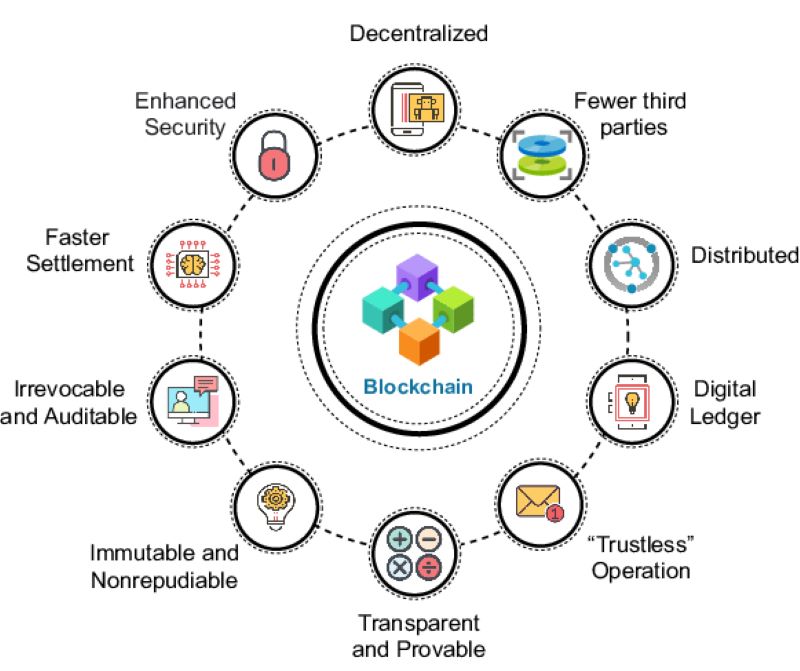
Blockchain's decentralized nature makes it highly secure, as information is spread across multiple nodes, making it difficult to tamper with or hack. This characteristic aligns well with the NSA's mission to protect national security, as it presents opportunities for securing sensitive data and enhancing transparency in critical systems. Some key ways in which blockchain technology could benefit national security include:
The NSA has long been involved in research related to both cryptography and privacy. With the rise of blockchain technology, questions surrounding privacy and surveillance have gained prominence. Blockchain, while secure, is not entirely private. Public blockchains, like Bitcoin, allow anyone to view transactions, which can raise concerns about anonymity and privacy.
The NSA is known for its focus on mass data collection and surveillance, leading some to question how blockchain's transparent nature aligns with these goals. While blockchain offers a high degree of security, its transparency could also allow agencies like the NSA to monitor financial transactions and other data flows more easily.
Reports suggest that the NSA may be exploring ways to break the anonymity of certain cryptocurrencies that rely on blockchain technology. This could involve identifying patterns in blockchain transactions that reveal the identity of users. However, the agency may also be researching ways to enhance privacy features in blockchain for government use, particularly in sensitive operations where maintaining secrecy is paramount.
Blockchain technology has the potential to revolutionize government operations in a variety of ways, and the National Security Agency and blockchain technology could intersect in multiple areas. The following are some applications where blockchain could be beneficial to national security agencies: